

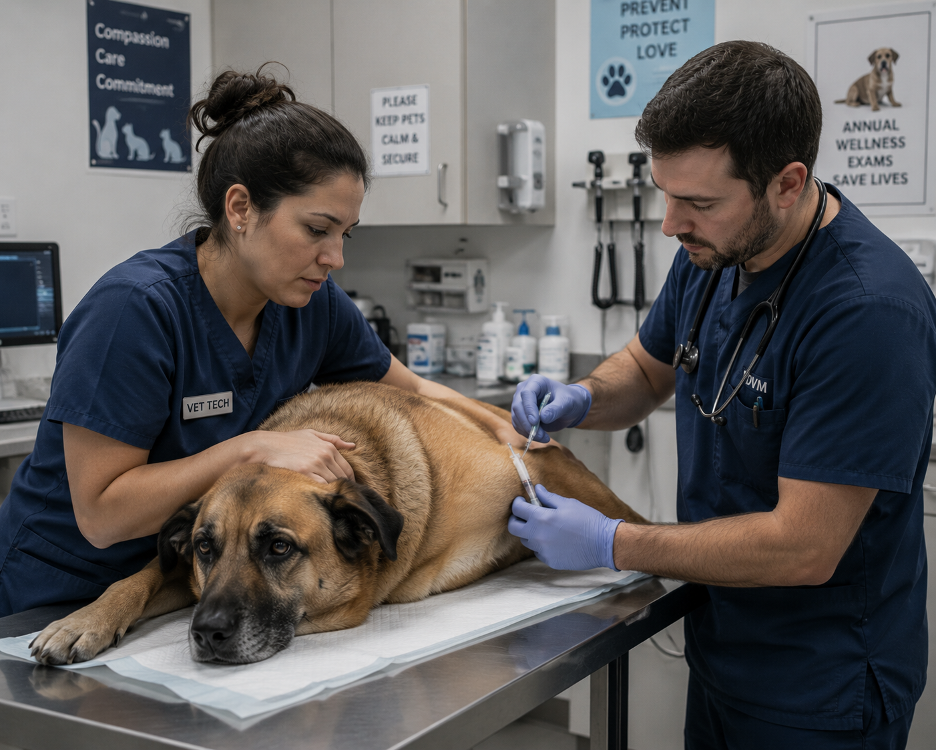
Animal care businesses—veterinary clinics, boarding kennels, grooming salons, pet daycares, and shelters—occupy a warm and rewarding niche in the service economy. But they also present a set of Workers’ Compensation exposures that are genuinely unusual and frequently underappreciated by both clients and brokers. Understanding the specific risks in these environments is the first step to placing appropriate coverage and advising clients on loss prevention.
Animal Bites and Scratch Injuries
The most obvious risk in animal care is also the most common: bites and scratches from the animals themselves. Veterinary technicians, kennel attendants, and groomers are bitten and scratched regularly, often by animals that are in pain, frightened, or simply unpredictable. While many bite injuries are minor, others are significant—puncture wounds requiring hospitalization, nerve damage, tendon injuries, and infections that can become systemic.
Dog bites in particular can be severe. A large, distressed dog restrained during a procedure can generate significant bite force. Cat bites, while typically smaller, carry a high infection risk due to the depth of puncture and the bacteria present in feline mouths. Workers who handle exotic animals—ferrets, reptiles, birds of prey—face additional injury profiles specific to each species.
Brokers should ask clients about their animal restraint protocols, use of muzzles and sedation, and whether staff receive formal training in safe animal handling techniques. These factors influence both injury frequency and carrier appetite.
Zoonotic Disease Exposure
Zoonotic diseases—illnesses that can be transmitted from animals to humans—are an occupational health reality in veterinary and animal care settings. Workers’ Compensation may cover zoonotic illness when it can be tied to occupational exposure, though these claims can be complex to adjudicate.
Conditions of concern in animal care settings include:
- Ringworm: A fungal infection easily transmitted by contact with infected animals; common in shelter environments
- Leptospirosis: A bacterial illness spread through urine of infected animals, with serious renal and hepatic complications in humans
- Cat scratch disease: Caused by Bartonella henselae bacteria transmitted through cat scratches or bites; can cause significant illness in immunocompromised workers
- Q fever: A bacterial infection associated with livestock and some companion animals, relevant in mixed practice veterinary settings
- Psittacosis: A respiratory illness associated with birds, relevant for workers handling parrots and other psittacines
Proper PPE, vaccination programs (rabies pre-exposure prophylaxis for vet staff is standard of care), and hygiene protocols reduce zoonotic risk and demonstrate to carriers that the employer takes occupational health seriously.
Musculoskeletal Injuries: The Hidden Cost
Less dramatic but cumulatively expensive are the musculoskeletal injuries prevalent in animal care. Veterinary professionals and kennel workers routinely lift, restrain, and reposition animals—sometimes animals that weigh 100 pounds or more—in awkward postures, on slick floors, and under conditions where the animal is actively resisting.
Back injuries, shoulder strains, and knee problems are common results. Groomers who stand for hours at grooming tables, repeatedly bending and reaching, develop the same repetitive strain issues seen in manufacturing and food processing. These injuries accumulate quietly and then become surgical claims.
Sharps and Chemical Hazards
Veterinary clinics use syringes and surgical instruments in high volumes. Needlestick injuries are a real and common occurrence—and while the zoonotic risk profile differs from human healthcare (the bloodborne pathogen risks are different), post-exposure protocols still apply and can be expensive. Proper sharps disposal containers, recapping policies, and safety needle programs reduce frequency.
Anesthetic gases used in surgical suites also present chronic inhalation exposure if scavenging systems aren’t properly maintained. This is an occupational disease exposure that may not manifest until years of repeated low-level exposure have accumulated.
Finding the Right WC Coverage
Animal care businesses are often best served by specialty veterinary or pet care insurance programs rather than generic business owners policies with WC tacked on. Carriers familiar with this class understand the unique risks, price them appropriately, and have claims handlers with relevant experience.
Comp Central works with brokers to identify WC markets that understand animal care operations—from small grooming studios to multi-doctor veterinary hospitals to large municipal shelters.
Contact Comp Central to discuss Workers’ Comp coverage options for your veterinary and animal care clients.