
Landscaping and tree service companies operate in some of the most physically demanding and hazardous environments of any industry. They work in all weather conditions, use dangerous equipment, perform work at height, and often rely on seasonal day labor crews that change from week to week. For brokers with clients in this space, the Workers’ Compensation challenges are significant—and the stakes of getting it wrong are high.
The Hazard Profile: Serious and Varied
Workers in landscaping and tree care face a remarkably wide range of injury types:
Heat-Related Illness
Outdoor crews working through summer months in warm and humid climates face genuine risk of heat exhaustion and heat stroke. These conditions can escalate rapidly from discomfort to life-threatening emergency. Workers who are new, not yet acclimatized, or who don’t have access to adequate water and shade are particularly vulnerable. WC claims from heat illness can include hospitalization, long recovery periods, and in severe cases, permanent neurological damage.
Falls from Height
Tree service work involves climbing, aerial lifts, and working from ladders—all high-fall-risk activities. Falls in arborist work are among the most catastrophic injury events in any outdoor trade. Even falls from relatively modest heights can result in traumatic brain injuries, spinal cord damage, and fatalities. WC death benefits and serious injury claims in tree service are among the highest-cost claims in the landscaping sector.
Chainsaw and Equipment Injuries
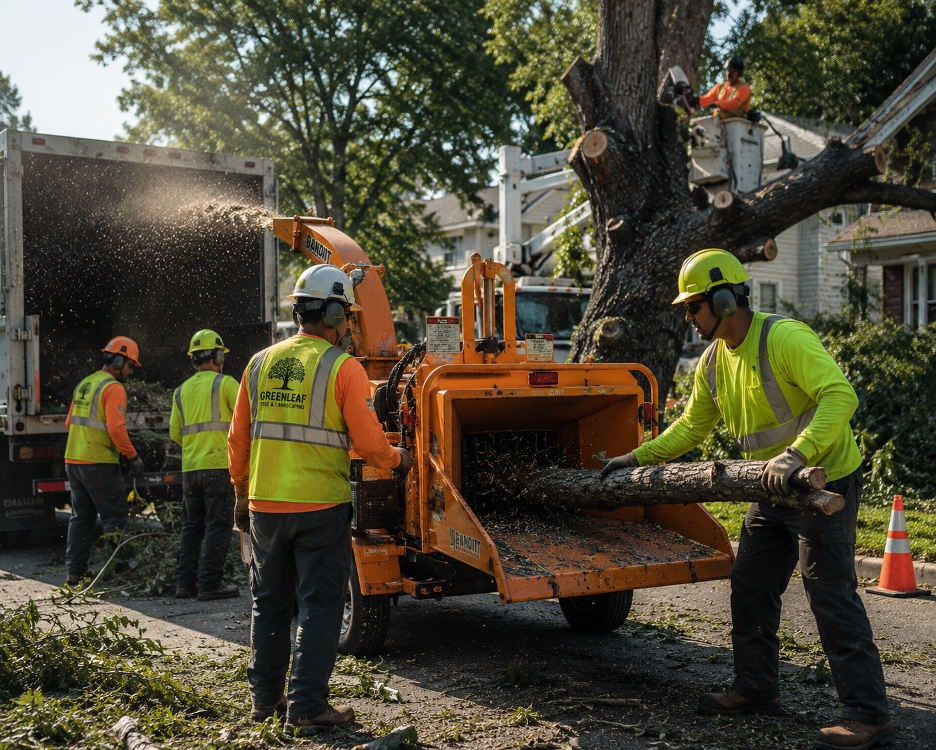
Chainsaws, chippers, stump grinders, and commercial mowers are inherently dangerous tools. Kickback, blade contact, and thrown debris are constant risks. Partial or full amputations, lacerations, and eye injuries are well-documented in this industry. New or poorly trained workers are at substantially higher risk—and many landscaping companies face pressure during peak season to put crews in the field quickly.
Struck-By and Falling Object Injuries
Falling limbs, flying debris from mowers, and objects dropped from height all pose struck-by risks. In tree work especially, the risk of being struck by a falling limb is a known fatality cause that requires careful job planning and communication between crew members.
The Day Labor Challenge
Many landscaping companies rely on seasonal and transient workers—day laborers hired through informal networks, word-of-mouth, or labor pools. This creates several WC-specific issues:
- Fluctuating payrolls: Traditional annual premium calculations don’t work well when headcount changes weekly. Pay-as-you-go WC options that report payroll each period are far more accurate and reduce audit exposure.
- Classification complexity: A crew doing lawn mowing carries a different risk classification than one doing tree climbing or brush clearing. Misclassifying workers under a lower-hazard code saves money in the short term but creates massive audit liability.
- Worker eligibility and documentation: Brokers and clients must navigate this carefully, ensuring all workers—regardless of immigration status—are properly covered under WC. Workers’ Comp coverage in most states extends to undocumented workers, and failure to cover them can result in personal liability for the employer.
- Subcontractor verification: When landscapers hire subcontracted crews, they must verify those subs carry their own WC. Without verification, the hiring company can be held responsible for injuries to those workers.
Finding Coverage in a Challenging Market
Tree service in particular is viewed as a high-hazard class by many standard carriers, and accounts with fatality history or high mods may find voluntary market options limited. Surplus lines markets and specialty programs exist for this class, and brokers should have those relationships in place before they’re urgently needed.
Loss control is also a meaningful differentiator. Clients who document safety training, maintain equipment inspection logs, and have a written heat illness prevention plan are easier to place and may qualify for better pricing.
Comp Central works with brokers to find WC markets equipped to handle the full spectrum of landscaping and tree service risk—from small lawn care operations to large commercial arborist firms.
Contact Comp Central to discuss Workers’ Comp options for your landscaping and tree service clients.